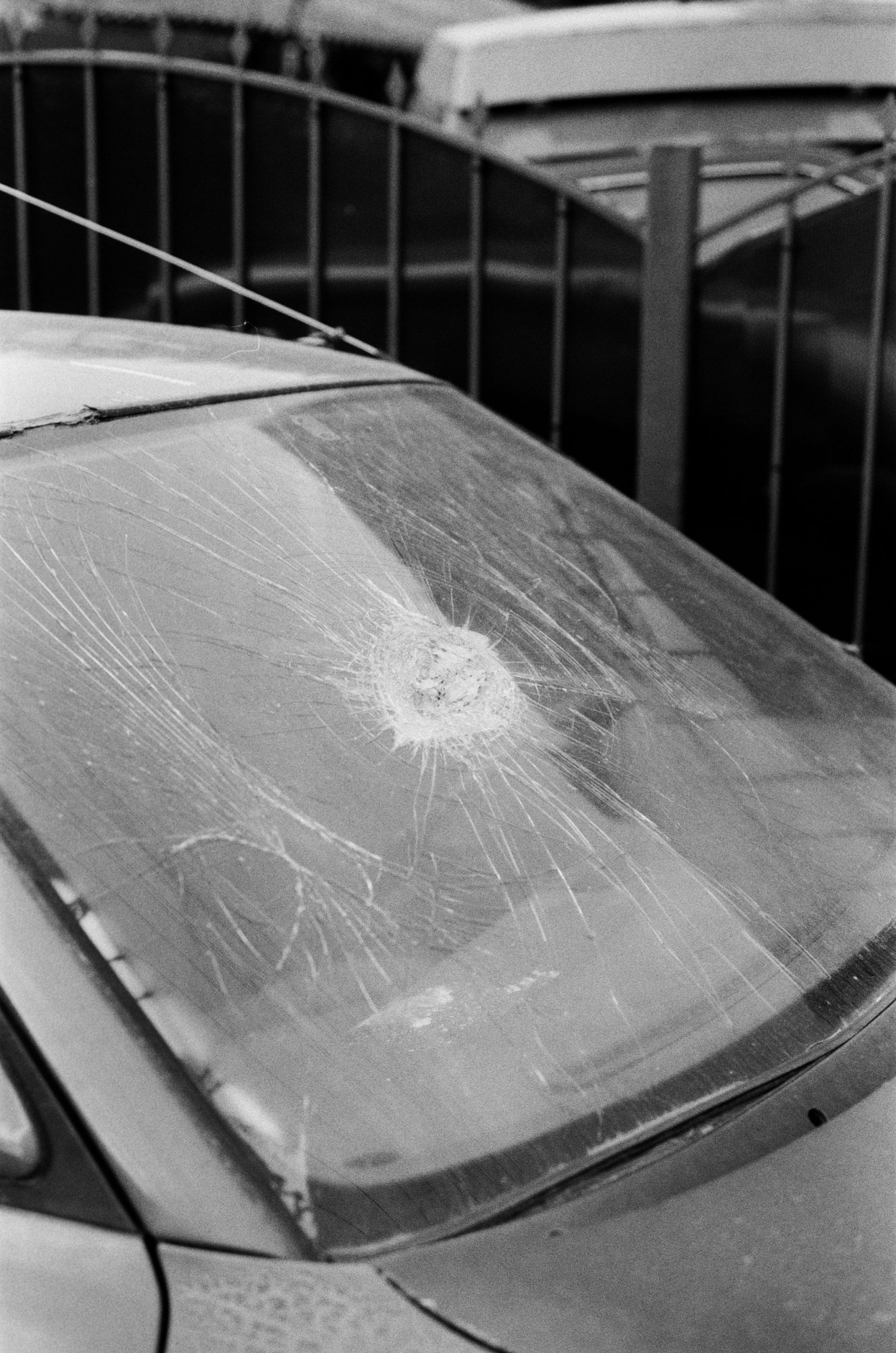
If your vehicle was recently exposed to a hail storm, a simple at-home inspection can help identify potential damage before it becomes a bigger concern. In this guide, we’ll explain how to check for hail damage at home, what areas to inspect, and what to do if you find damage.
To check for hail damage at home:
- Park your vehicle in a shaded area.
- Use a bright LED flashlight.
- Inspect the hood, roof, and trunk.
- Look for dents by running the flashlight across the panel.
- Check all vehicle glass for chips and cracks.
- Inspect the sides of the vehicle for additional dents.
Contact Birchwood if damage is discovered.
Why Is Hail Damage Sometimes Difficult to See?
Many hail dents are small and may not be obvious in direct sunlight. Depending on the angle of the light, dents can blend into the vehicle’s body panels and go unnoticed. This is especially common on:
- Roof panels
- Hoods
- Trunk lids
- Doors and side panels
Using the proper lighting can make dents much easier to identify.
Step 1: Move Your Vehicle Into a Shaded Area
The first step is to park your vehicle somewhere with limited direct sunlight.
A garage, parkade, or shaded area often provides the best conditions for spotting dents because glare from the sun is reduced.
This allows the flashlight to create reflections that make damage easier to see.
Step 2: Use a Bright LED Flashlight
A bright LED flashlight is one of the most effective tools for identifying hail damage.
Rather than shining the flashlight directly down onto the panel, hold it at an angle and move it across the surface.
This technique can help reveal dents that may otherwise be difficult to spot.
Step 3: Check the Hood, Roof, and Trunk
The hood, roof, and trunk are among the most damaged areas during a hail storm.
Slowly move the flashlight across each panel and watch how the light reflects.
If a dent is present, the reflection will often appear distorted or interrupted. Take your time and inspect the entire panel carefully.
Step 4: Inspect Vehicle Glass
Hail damage isn’t limited to dents.
Check your:
- Windshield
- Side windows
- Rear window
- Sunroof or panoramic roof
Look for:
- Chips
- Cracks
- Impact marks
- Shattered glass
Even small chips can spread into larger cracks over time and may require repair or replacement.
Step 5: Don't Forget the Side Panels
Many drivers focus on the roof and hood but overlook the sides of the vehicle.
Inspect:
- Doors
- Fenders
- Quarter panels
Hail can strike these areas at different angles depending on wind conditions during the storm. A thorough inspection helps ensure no damage is missed.
What Should You Do If You Find Hail Damage?
If you discover dents, chips, cracks, or other signs of hail damage, it’s a good idea to have the vehicle professionally assessed. The sooner damage is identified, the sooner repair options can be reviewed.
Simply contact Birchwood and our team will help guide you through the next steps.
Frequently Asked Questions
What Is the Best Way to Check for Hail Damage?
Parking in a shaded area and using a bright LED flashlight is one of the most effective ways to identify dents that may be difficult to see in direct sunlight.
Can Hail Damage Be Hidden?
Yes. Small dents can be difficult to spot without proper lighting and inspection techniques.
What Should I Do If I Find Hail Damage?
Contact a Birchwood as soon as possible to have the damage assessed and discuss repair options.
Birchwood Is Here to Help
If your vehicle has been affected by hail, Birchwood can help. As Manitoba’s largest hail repair network, Birchwood operates three collision centres, dedicated hail repair facilities, and a specialized Hail Repair Hotline to help drivers navigate the repair process.
Whether you’re dealing with dents, chipped glass, or more extensive hail damage, our team is ready to help guide you through the next steps.