Paintless Dent Repair (PDR) is one of the most common methods used to repair hail damage. Instead of replacing panels or repainting damaged areas, PDR allows technicians to remove dents while preserving the vehicle’s original factory finish.
Because hail often dents metal panels without damaging the paint, Paintless Dent Repair can be an effective solution for restoring a vehicle after a hail storm. In this guide, we’ll explain how PDR works, when it can be used, and why it is commonly used for hail damage repairs.
Paintless Dent Repair may be an option when:
- The paint has not been damaged
- The dents were caused by hail impacts
- The metal has not been severely stretched
- The damaged area can be accessed by a technician
- The vehicle does not require panel replacement
Has Your Vehicle Been Damaged by Hail?
What Is Paintless Dent Repair?
Paintless Dent Repair is a specialized repair process that removes dents without sanding, filling, or repainting the affected area.
Using specialized tools, technicians carefully massage the damaged metal back to its original shape from behind the panel whenever possible.
Unlike traditional body repairs, Paintless Dent Repair focuses on restoring the damaged area while maintaining the vehicle’s factory paint finish.
Why Is Paintless Dent Repair Commonly Used for Hail Damage?
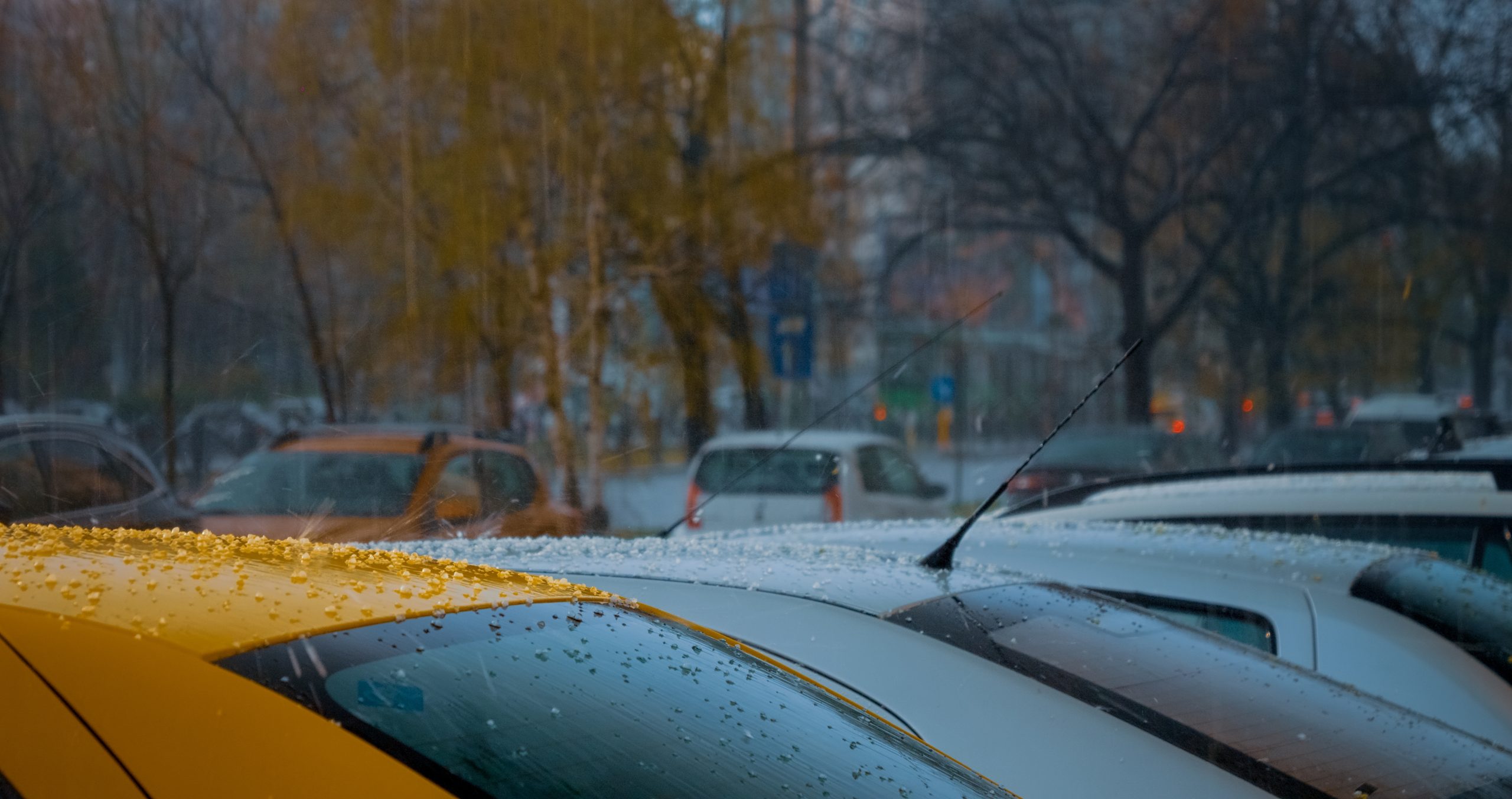
Hail storms often leave multiple dents across a vehicle’s exterior.
Commonly affected areas include:
- Roof
- Hood
- Trunk lid
- Doors
- Fenders
In many cases, hail dents damage the metal without damaging the paint. Because the paint remains intact, technicians can often use Paintless Dent Repair to restore the panel without repainting the vehicle.
This makes PDR one of the most widely used repair methods following hail storms.
How Does Paintless Dent Repair Work?
The exact repair process varies depending on the location and severity of the damage, but the general steps are similar.
Step 1: Damage Assessment
A technician inspects the vehicle and determines whether the dents are suitable for Paintless Dent Repair.
Factors that are evaluated include:
- Size of the dents
- Location of the damage
- Accessibility behind the panel
- Condition of the paint
Step 2: Accessing the Damaged Area
The technician gains access behind the damaged panel using specialized tools.
This allows the metal to be carefully manipulated without affecting the paint surface.
Step 3: Dent Removal
Using specialized techniques, the technician slowly reshapes the damaged metal and restores the panel to its original form.
Step 4: Final Inspection
Once the repair is complete, the panel is inspected to ensure the dent has been properly removed and the vehicle’s appearance has been restored.
Does Every Hail-Damaged Vehicle Qualify for PDR?
Not always.
Paintless Dent Repair is most effective when:
- The paint remains intact
- The dents are relatively shallow
- The metal has not been severely stretched
- The damaged area can be accessed from behind the panel
More severe hail damage may require traditional body repairs, refinishing, or panel replacement.
A qualified repair facility can determine which repair method is most appropriate for your vehicle.
What Are the Benefits of Paintless Dent Repair?
Preserves the Original Paint Finish
One of the biggest advantages of PDR is that it maintains the vehicle’s factory paint.
Effective for Hail Damage
PDR is specifically well suited for repairing multiple hail dents across a vehicle.
Less Invasive Than Traditional Repairs
Because sanding, fillers, and repainting are not required, the repair process is often less invasive than conventional body repairs.
Restores Vehicle Appearance
Removing dents helps restore the vehicle’s appearance and return damaged panels to their original condition.
What Types of Hail Damage Can PDR Repair?
Paintless Dent Repair is often used to repair:
- Small hail dents
- Moderate hail damage
- Multiple dents across a vehicle
- Damage where the paint remains intact
The suitability of PDR depends on the location, size, and severity of the dents.
What Should You Do If Your Vehicle Has Hail Damage?
Step 1: Inspect the Vehicle
Check the roof, hood, trunk, doors, and fenders for dents or other signs of hail damage.
Step 2: Document the Damage
Take photos of any visible dents, chips, cracks, or other damage. This can help document the condition of your vehicle before repairs begin.
Step 3: Contact a Repair Facility
Following a major hail storm, repair demand can increase quickly. Contacting a repair facility early can help secure your place in line, answer questions about the repair process, and provide guidance on next steps.
At Birchwood, customers can:
- Contact the Hail Repair Hotline
- Request an appointment online
- Learn about repair options
- Receive guidance on the repair process
Step 4: Confirm Your Repair Appointment
Once you’ve connected with a repair facility, the next step is to confirm your repair appointment and prepare for the repair process.
At Birchwood, this allows us to:
- Review repair requirements
- Discuss repair timelines
- Answer any remaining questions
- Help prepare your vehicle for repair
Frequently Asked Questions
Can Paintless Dent Repair Remove Hail Dents?
Yes. Paintless Dent Repair is one of the most common methods used to remove hail dents when the paint has not been damaged.
Does Paintless Dent Repair Require Repainting?
No. PDR is designed to remove dents while preserving the vehicle’s original paint finish.
Can Large Hail Dents Be Repaired Using PDR?
Some larger dents may be repairable, depending on their location and severity. A professional assessment is required
How Do I Know If My Vehicle Qualifies for Paintless Dent Repair?
A qualified repair facility can inspect the damage and determine whether PDR is an option.
Is Paintless Dent Repair Common After Hail Storms?
Yes. Because hail often damages metal panels without damaging paint, PDR is commonly used to repair hail damage.
Birchwood Is Here to Help
Paintless Dent Repair is one of the most effective methods used to repair hail damage while preserving your vehicle’s original finish.
If your vehicle has been damaged by hail, Birchwood’s hail repair team can assess the damage, explain your repair options, and determine whether Paintless Dent Repair is the right solution for your vehicle.